


Sudden Pet Loss: How to Get Through the First 72 Hours
Updated: May 12

If you have just lost a beloved pet unexpectedly or tragically, please know that my heart is with you. Pet loss is always excruciating, but sudden loss brings an added layer of anguish.
The first hours and days are often overwhelming and disorienting, as our bodies and minds try to make sense of something that feels impossible to comprehend. Your pet was just here, and now they are gone. Worse, you may have been deprived of the chance to say goodbye, which can deepen the distress even further.
For these reasons, sudden pet loss is one of the most devastating experiences a person can endure, and the shock, disbelief, anger, and guilt can be profound. So I wanted to share a few ways to help you get grounded and take care of yourself during this incredibly challenging time.
What Is Happening in Your Body Right Now
To begin, it is important to understand what is going on both physiologically and emotionally. Losing a pet under traumatic circumstances disrupts our entire sense of reality, undermines our sense of safety, and stuns our nervous system.
For the first 72 hours, you may experience:
restlessness or anxiety
uncontrollable crying, sometimes with headaches
fractured sleep
loss of appetite
brain fog
exhaustion
moments where it feels hard to catch your breath
This is because, according to polyvagal theory, our nervous systems constantly scan for cues of safety or danger and respond automatically before the mind can even catch up.
When something traumatic occurs, the body often shifts into a state of alarm or shutdown. You may feel flooded with anxiety and agitation, or become numb and disconnected. These are not signs that something is wrong with you. Rather, they are protective responses from a biological system that is working hard to keep you safe.
Why Shock and Disbelief Feel So Intense
Our nervous system’s response to traumatic loss can create and exacerbate shock and disbelief.

While shock and disbelief may feel unsettling, they are crucial for survival - acting as psychological protection by creating a temporary resistance to a reality that is too agonizing to absorb.
As that protective layer begins to lift, the full weight of the loss can come rushing in, bringing waves of grief, confusion, guilt, and sometimes even a sense of violation.
You may notice:
repetitive thoughts
replaying what happened
searching for answers that do not exist
getting stuck in what if and if only loops
time feeling distorted or unreal
In this state, it can become difficult to trust your own thinking. Early in grief, it is normal to question your perceptions or worry you are losing your mind. Please hear me: your sanity isn’t slipping - your brain is simply trying to restore a sense of order.
Guilt, Blame, and the Illusion of Control
At the same time, anger does not always move outward. Guilt is often described as anger turned inward - so instead of directing that energy at someone else, we direct it at ourselves.
Since we are used to having complete responsibility for our pets - their safety, their health, their daily lives, much like we do with our own children - guilt almost always accompanies pet loss. When something happens, it is natural to believe we should have known more, done more, or somehow prevented it.
Hindsight intensifies that belief, holding us to impossible standards. The gap between what we knew then and what we know now can become a breeding ground for guilt, even if we never failed them. Self blame can feel more tolerable than accepting that something may have been outside of our control, because it creates the illusion that it could have been prevented.
Like anger, guilt is a deeply understandable response to loss, but it is not always an accurate reflection of the reality of the situation.
What to Do in the First 72 Hours
During this window, all of your energy should be on stabilizing your body and nervous system.
Focus on the basics:
drink water, ideally with electrolytes, to stay hydrated and support your body
eat something, even if it is ice cream - calories are helpful
go for a short walk or move if you are able
slow down and deepen your breathing - there are many exercises available online
These small actions can help restore your ability to think more clearly and support your physical well-being.
Because of the stress your body and mind are under, this may not be the time to make major decisions. You do not have to figure everything out right now. Give yourself some space to gather information, regain your footing, and approach next steps with a better plan.
You Do Not Have to Go Through This Alone
No one should endure this pain alone, nor have it diminished. Pet loss is far too often disenfranchised grief, meaning it is not given the recognition it deserves.
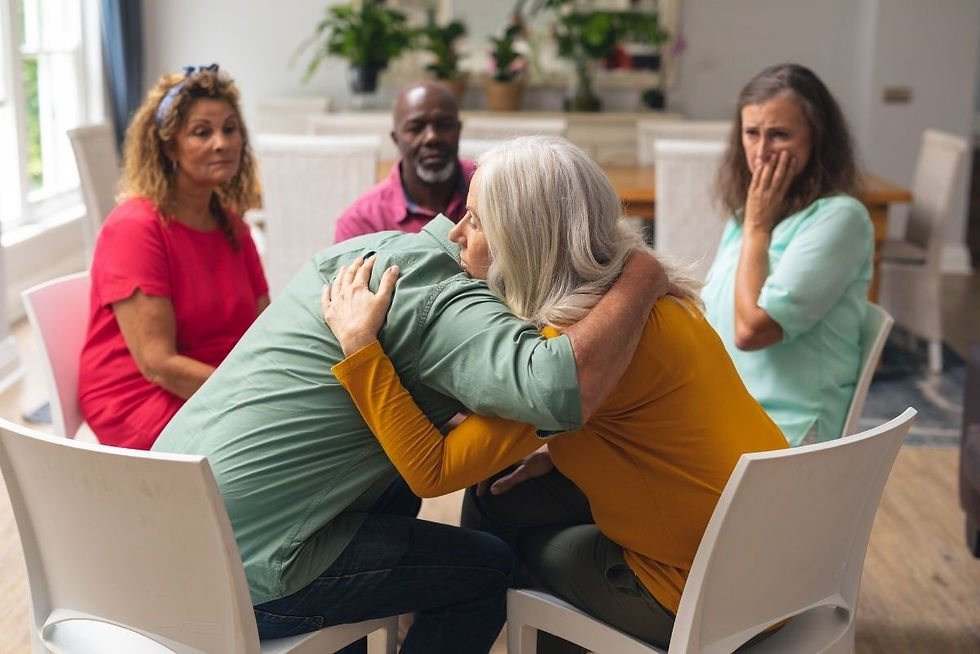
If possible, surround yourself with animal lovers who understand the bond you shared, and avoid anyone who minimizes your grief - your pet was not just a pet, but your beloved companion.
Then seek out as much support as you can. The Association for Pet Loss and Bereavement, for example, is a nonprofit that offers chat rooms where you can connect with certified pet loss grief specialists and other grieving pet parents. I also volunteer in their chat rooms, and it is a truly compassionate and supportive space.
You can also schedule a grief session with me directly at thehardestgoodbyepodcast@gmail.com, or look for in-person pet loss support groups in your community. There are more resources available than you may realize.
Why you should not make major decisions yet.
You do not need to make any major decisions during this time.
If you are considering legal action, please understand that the emotional process and the legal process serve very different purposes:
one supports your healing
the other supports accountability
Separating the two gives you the space to gather information, regulate your nervous system, and approach any next steps with greater clarity and intention.
Finding Your Way Forward
While none of this is something you need to act on right now, it may help to know that, over time, there are ways to move forward that allow you to stay deeply connected to your pet.
As you begin to piece your life back together, it is important to remember that holding onto pain is not the only way to stay connected to your animal. Many people feel that if they allow themselves to experience joy again, they are somehow letting go or failing to honor their memory.
But our pets are all love and light, and staying close to them does not mean clinging to suffering. It means allowing their love to move through you and into the world. One of the most meaningful ways to do that is by memorializing your pet in ways that create something beautiful in their honor.
Many people find that, over time, healing involves transforming pain into something meaningful - an alchemical process that allows love to take new form. Most of us heal by actively creating something, whether that is making art, getting tattoos, writing letters, planting trees, or building memorial spaces. Others carry that love outward by donating to rescues, fostering animals, volunteering their time, or even launching nonprofits in their pet’s honor.
Grieving is a verb, after all, asking something of us. Not to move on, but to learn how to carry their love with us.
A Final Thought
If you are suffering, your feelings are real, valid, and deserving of empathy. You do not have to figure everything out today, and your focus now should be on basic self care.
Please remember, your pet spent their life loving and looking after you. If they could give you any advice, it would be to treat yourself with compassion and kindness. Self care is a beautiful way of honoring your pet.
And when the tears come, let them. At the Association for Pet Loss and Bereavement, we often call tears liquid love. They are not only natural, but healing. Because the depth of your pain reflects the depth of your relationship.
Courtney Wennerstrom is a Certified Pet Loss Grief Specialist, Companion Animal End-of-Life Doula, and the host of The Hardest Goodbye — a podcast on grief, healing, and the animals who changed us.


